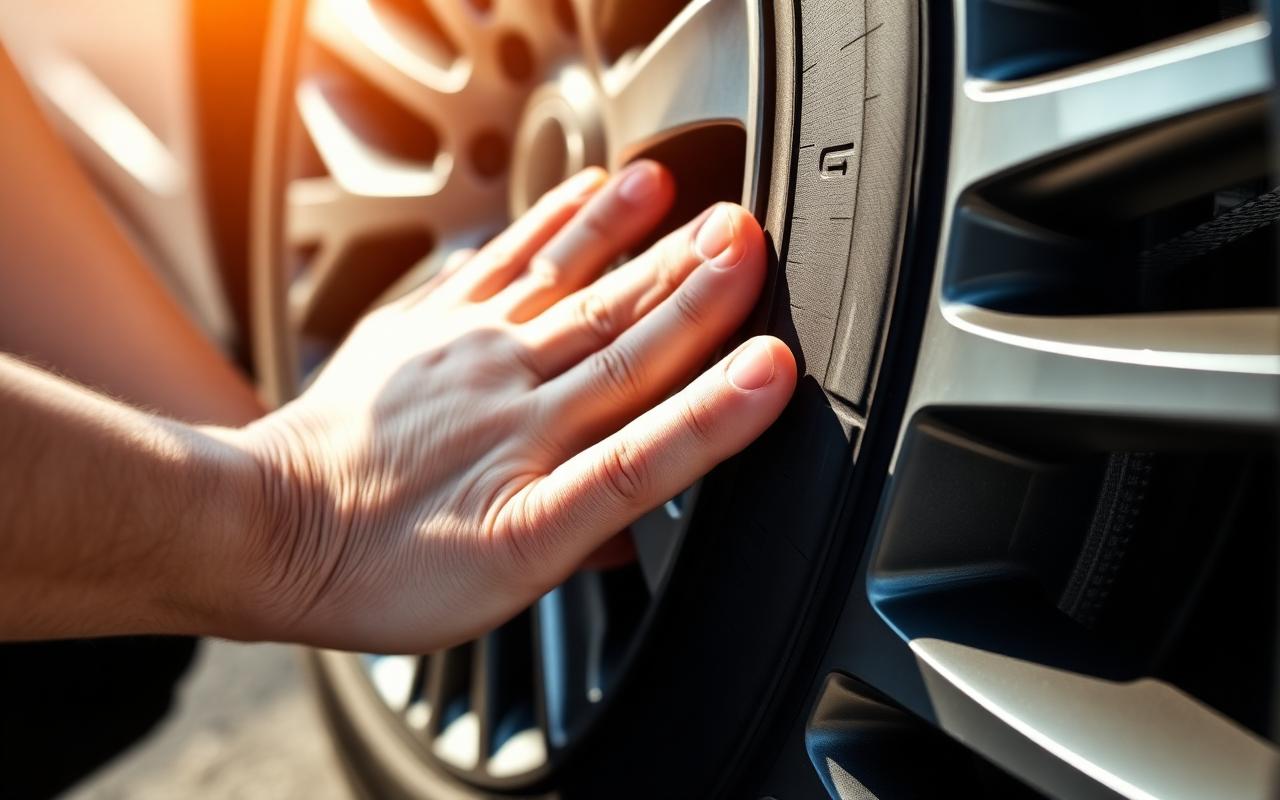
1. Look for the code on the sidewall
Every run-flat tyre has a manufacturer code stamped on the sidewall, usually near the size designation. The codes vary by brand — there is no single industry standard, which is why this confuses people. Look for any of these:
- RFT — Bridgestone, Firestone
- RSC — Run-flat System Component (BMW/Mini OE fitment)
- ROF — Goodyear, Dunlop
- SSR — Continental Self-Supporting Runflat
- ZP / ZPS — Michelin Zero Pressure
- EMT — Goodyear Extended Mobility Technology
- DSST — Dunlop Self-Supporting Technology
- MOE / MOExtended — Mercedes-Benz Original Extended
2. Check the boot for a spare wheel
Manufacturers fit run-flats specifically so they can delete the spare wheel and save weight. If you open your boot floor and find no spare wheel, no scissor jack and no wheel brace — only a foam compressor kit or nothing at all — your car was almost certainly delivered on run-flats.
3. Look at the car's badge
These manufacturers fit run-flats as standard OE on most models from approximately 2008 onwards:
- BMW (most models), Mini (all models)
- Mercedes-Benz S-Class, E-Class, some C-Class
- Lexus LS, GS, IS-F
- MG, some Vauxhalls, some Cadillacs
If you've changed wheels or tyres since buying the car, this isn't conclusive — check the sidewall.
4. Check the dashboard for TPMS
Run-flat-equipped cars always have tyre-pressure monitoring (TPMS), because without it you wouldn't know you'd punctured. If your dashboard shows individual tyre pressures or has a dedicated tyre warning icon, your car was designed for run-flats. The reverse isn't always true — some standard-tyre cars have TPMS too — but no TPMS strongly suggests no run-flats.
5. Look at the sidewall thickness
This is the harder visual check. Crouch level with the tyre and look at the sidewall profile from the front. Run-flat sidewalls are visibly thicker and more rigid — they don't 'pinch' under the wheel arch the way standard tyres do. With practice this becomes a one-second check; until then, rely on the sidewall code.
Why this matters in an emergency
If you've punctured and you can confirm run-flats in 30 seconds, you know you have time to drive carefully to a safe location or to a tyre fitter's premises. If you confirm standards, you know stopping immediately is the right call. Either way — call us and we'll bring the right replacement to you.
Need a tyre fixed right now?
Mobile fitter to your London location in under 35 minutes.